【第二屆KEL 環境教育領袖計劃】校園減碳行動教師研討會完整紀錄 (2026年3月27日) @HK2050isNOW
【百仁基金 - 行業行情】 - 環保+建築(嘉賓:葉頌文)
【一個綠建築師的誕生】—葉頌文建築師樓
中國歷史文化周2022 - 專題講座(三) - 建築的自然智慧
【建築要夠綠】建築入門講座 An Introduction to Architecture
【一齊走進鬧市中的戲劇綠洲🎭🌳尋訪香港話劇團教育中心 HKRep Education Hub】
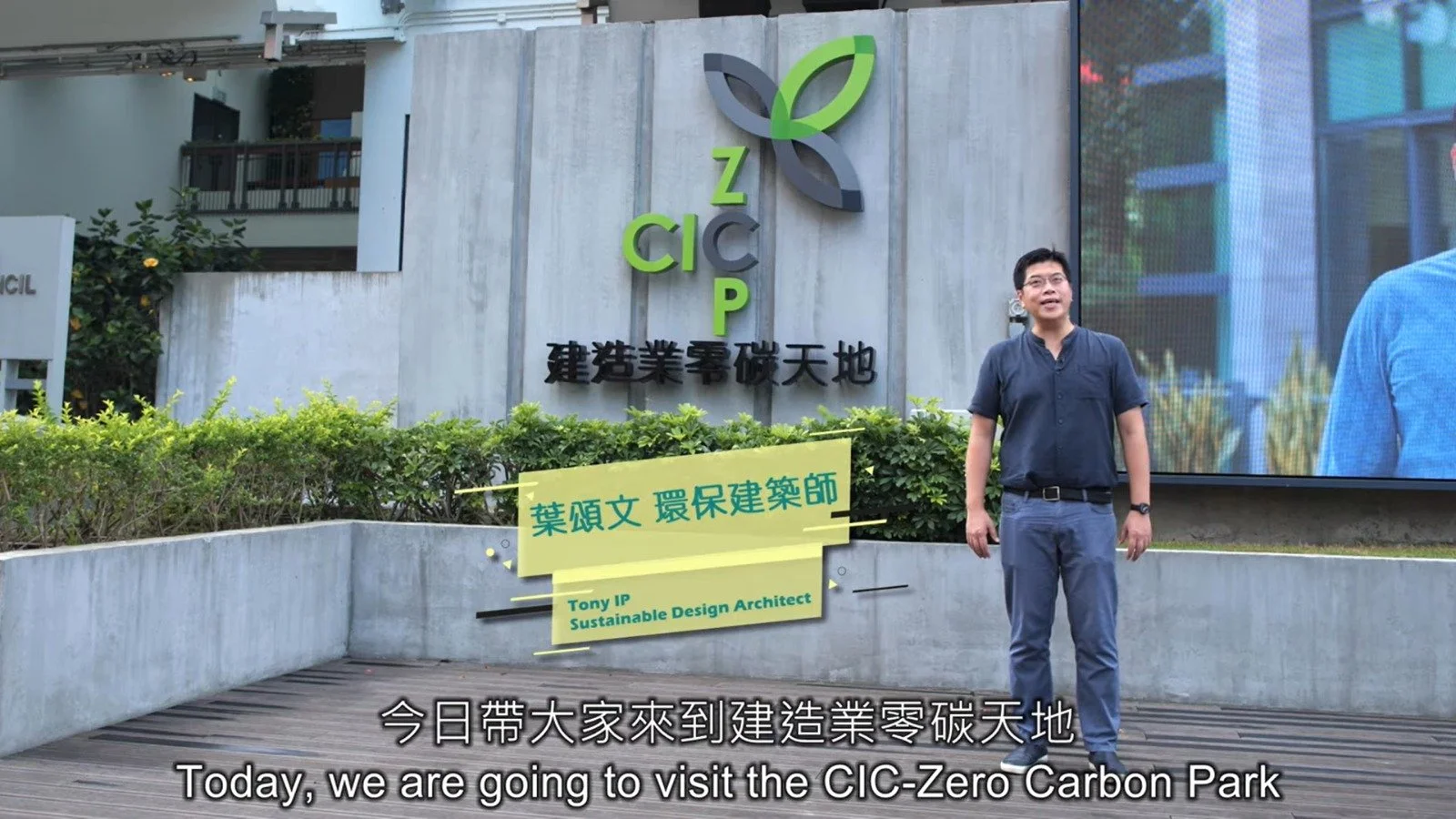
Online Green Building Tour - CIC Zero Carbon Park
An online green building tour at CIC-Zero Carbon Park has been arranged. CIC-ZCP has achieved BEAM Plus Platinum rating and it is the first zero carbon building in Hong Kong. In the video, Mr Tony IP, a sustainable design architect, explains the design strategies and green features of CIC-ZCP and how zero carbon is achieved in its daily operation.
#ECF #ECC #HKGBC #CICZCP #EnvironmentAndConservationFund #EnvironmentalCampaignCommittee #HongKongGreenBuildingCouncil #ConstructionIndustryCouncilZeroCarbonPark
Online Green Building Workshop for Teachers
An educational video has been produced to introduce the fundamental green building concepts to teachers. Through the online teaching material, teachers will be able to understand how green buildings can mitigate climate change and what measures should be taken to support the sustainable built environment. Teachers are encouraged to utilise the video presentation and the eight interesting videos in the project to support students' learning on sustainability.
https://www.hkgbc.org.hk/eng/engagement/public-initiatives/ECF-green-building-education-video-series/index.jsp
#ECF #ECC #HKGBC #EnvironmentAndConservationFund #EnvironmentalCampaignCommittee #HongKongGreenBuildingCouncil
Metro Radio Programme “Good Life, Good Design - Design For Sustainable Community”
【Metro Radio Programme “Good Life, Good Design - Design For Sustainable Community” Series – Tony Ip, Sustainable Design Architect, Chairman of Hong Kong Architecture Centre and Founder of Tony Ip Green Architects】
“Sustainable living is not a choice; it is something we must do,” says Tony.
We're excited to launch a new series of episodes with Metro Radio themed “Design for Sustainable Community” echoing the theme of HKDC’s 20th Anniversary, where we explore how we can contribute to building sustainable communities through design.
In our first episode, Tony shares his passion for green architecture and his perspective on the planning of sustainable cities. He also talks about some of his projects, including “Concrete Jungle@Space under Flyover of Harbour Building in Central” and “BODW CityProg’s OpenHouse!HK” to heighten public awareness and understanding of green architecture.
Programme co-hosts: Audrey Yip, Metro Radio Host; Dr Joseph Wong, Executive Director of Hong Kong Design Centre
Co-Work · Co-Share
Co-Work · Co-Share
#TiP #XCHANGE #OilStreetArtSpace #GreenArchitectureForAll #healthandwellness #greenoffice

《Green Neighbourhood in High-Density High-Rise Contexts》
Green Neighbourhood in High-Density High-Rise Contexts by Tony Ip - Tony Ip Green Architects It is arguable that high-rise compact cities can optimize material and energy consumption but regardless of liveability. The higher we live from the ground level, the more disconnected we feel from the natural world and even from each other within a community.

《The Benefits of Sky Gardens to promoting Health and Wellbeing》
Sky garden, a covered / partially covered naturally ventilated landscaped area at a high level, is designed to improve ventilation and thermal conditions of a micro-climate and provide a recreational space for simultaneous enhancement of social interaction and neighbourhood quality. The provision of sky gardens as a sustainable design strategy aims at improving the quality of a living environment to balance social, environmental and economic concerns. In densely occupied, high-rise contexts, can these objectives be achieved practically?

《Naturalness for Our Children》
If you have kids, please read the following research findings.
Biophobia is developed due to people’s fear of living things and unexpectedness from nature. It is not uncommonly observed in urban children especially for those living in metropolitan areas. Contact with nature can evoke negative feelings such as fear, scary, disgusting and uncomfortable for urban children. Fear-evoking situations like getting lost or being chased by a swarm of bees reflected social influences and cultural shaping. Being disconnected from the natural environment, children raised in urban areas were afraid of being in the woods and were disgusted by the dirtiness of the outdoors (Collado et al., 2015)
Furthermore, findings of various studies even revealed that children in the city become nature-deficit disorder with physical inactivity, social and psychological ramifications and increased chronic disease trend.
In Lee and Min’s research (2006), children’s neighbourhood environment played a key role in shaping their personality. Kuo et al. (2002) suggested that natural elements such as trees facilitated social interactions amongst neighbours that could indirectly help monitoring of outdoor areas and supervising children in impoverished urban neighbourhoods. McCurdy et al. (2010) researched that the mental and physical health benefits associated with time spent exposed to green spaces.
Children having more daily contact with nature cope better with adversity. A research in Spain concluded that nearby nature moderated the negative effects produced by stressful events and children’s health and wellbeing also depended on the way that these environments encourage children’s contact with nature. (Corraliza et al., 2012)
Urban children spending more time in nature could enhance environmental attitudes and ecological behaviours. Activities with nature such as picking fruits, planting seeds or taking care of vegetables improved children’s pro-environmental attitudes. (Collado et al., 2015) Garden activities should also be organized in a way that children had an opportunity to freely use and shape the environment’s affordances, and a well-designed children’s garden was recommended. (Laaksoharju, 2012)
A study of urban English neighbourhoods suggested that neighbourhood green space could help urban children living in poor families to have better emotional health early in life (i.e. 3-5 years old). Peer, hyperactivity and conduct problems were fewer in children who were frequent users of parks and playgrounds and whose homes had access to a garden. (Flouri et al., 2014)
A study in Finland examined the physical qualities of a garden environment and the behaviour they bring out in 7- to 12-year-old suburban children. It revealed that garden-based activities appeared to promote the children’s zone of proximal development, which the environment’s affordances could teach useful life lessons to a child, and the information and knowledge that were attained through the senses by investigating the surroundings could be shared immediately in a group. Natural environment’s numerous affordances, including situations, spaces and materials, cought children’s attention easily and learning new things is effortless. (Laaksoharju, 2012)
A survey of 1,119 children aged 9-10 in China verified that the children’s contact with nature had significantly positive effect on nurturing biophilic attitudes to wildlife and enhancing their willingness to support animal conservation. (Zhang et al., 2014)
A study in Munich, Germany informed that risks of hyperactivity and inattention and peer relationship problems in 10-year old children were positively associated with increasing distances to urban green spaces. Children living further than 500m away from any urban green space had more overall behavioural problems than those living within 500m of an urban green space under an assumption that small (<5000s.m.) green spaces were excluded from the analysis. (Markevych et al., 2014)
These findings informed that green environment could encourage children’s physical activity and improve their health with pleasant outdoor spaces; meanwhile, the children felt less psychological distress if they lived in an area with more natural surroundings. Moreover, their experiences of nature were important to environmental attitude and ecological behaviour.
Green environment is crucial for children’s healthy development and there is no excuse to deprive their rights of contacting the nature and greenery even in the high-density urban environment.

《環保建築,唔關我事》
氣候轉變,全球暖化,水位上升,全球急急腳制定減碳排放目標。香港九成耗電及超過六成碳排源自建築物,盡地球村公民責任減排,買樓要買環保樓。「哦!我住飛鵝山,水位升唔到我住嗰度,唔關我事。再講,乜野係環保樓?」
乜野係環保建築?有人話:「即係响天台裝大陽能板、風車,用再生能源發電。但我住十四樓冇天台,冇得攪。」「攪綠化、種多啲樹。天台種幾棵大樹或鋪上綠化草皮,外墻裝置綠化墻、掛花盆。不過管理費好貴,颱風時樹可能會塌、植物會好易死,最惨就係多蚊。」「公司冷氣凍到要著棉襖,出面秋高氣爽但又唔可以熄冷氣開窗,點樣環保?」「個智能家居裝置太複雜,我阿媽唔識用,拆咗。仲有隻窗又大又重,莫講洗窗難,平時閂窗要出盡九牛二虎之力,都係唔開多。」「洗手間改裝慳水龍頭及馬桶。不過沖得唔乾淨,吓吓㩒兩次先得,好似仲嘥水。」「冇錢、冇時間,下次先考慮環保。」
打個譬如,根本沒有環保建築,只有環保生活而建築配合。建築源於生活,儘管建築附上最先進環保技術或裝置,難明難用也只淪為藝術品或被陳述為環保建築。相反,建築應該忠於基本法則 - 因地制宜、物盡其用、以人為本。所以最好的環保建築便是不知不覺地改變你的生活習慣,達至節約能源、減少碳排放,使你健康、愉快,與大自然共融。
再簡單來說,以節能家居為例,全年少於三分一時間需要開冷氣,但仍然保持舒適居住環境。重點在於設有足夠可開啓的窗户,其窗户大細及位置有助對流通風效果; 採用隔熱不隔光玻璃; 外牆配上合適擋陽裝置,阻隔猛烈陽光直射入屋之餘,下雨天可擋雨以便開窗通風; 裝置吊扇最有效於過渡性季節減少開冷氣需要; 最後當然要選用高效能冷氣系统。
物盡其用方面,需要大家改變觀念,反樸歸真、用得其所。例如,每天花不上兩至三分鐘時間經過或逗留地下入口大堂,真的有需要豪華雲石裝飾配上價值不菲的水晶吊燈及羅馬柱?多層次種植綠化,引入陽光、自然風也是一個選擇。
唔一定要講大仁大義,環保樓最基本係可以令你少交電費、水費、醫療費。當然,你要選擇環保生活態度。倘若你鍾情開大冷氣打邊爐或者蓋住綿被嘆冷氣,就算冷氣機是一級能源標籤和建築設計達到鉑金級綠建環評,建築環保與否還有意義嗎?
兩度@建築平台
此文章刊載2016年3月《HK01 -建築平台》


《節能住宅》
炎炎夏日,冷氣渡日,亦是電費高峰期。住宅能耗中,超過三成用於冷氣亦是耗電最多,其它是電腦及影音器材、雪櫃、電燈、煮食爐、熱水爐等。如何判斷是否節能住宅?主要可從三方面思考。
第一,建築物本身已經節能。建築設計達至較低熱傳送值,減少冷氣負荷。熱傳送值指太陽熱力經建築物外牆、窗戶、屋頂傳送至室內,數值越高即越多熱力傳入室內,亦即是需要越高空調負荷來調節室溫。
簡單說,住宅單位玻璃窗越大吸收大陽熱力越多。因此,窗戶與外牆比例(簡稱"窗牆比")、窗戶座向、玻璃特性尤其重要。例如,朝西落地玻璃窗熱傳最高,選擇高效能玻璃便成緩衝之計。傳熱度低玻璃主要有著色玻璃、反光玻璃和low-e中空玻璃,把熱分別阻隔和反射。若玻璃的遮陽系數越低代表越能夠阻隔熱幅射。其中,low-e中空玻璃(即兩幅玻璃中間存有真空空隙及鍍上低幅射薄膜)性能最佳,遮陽系數最低。
玻璃越深色或越反光是否越好?光熱主要來自不可見的紅外線,故此玻璃阻隔紅外線是重點。反之,深顏色的玻璃連可見光都阻隔,未能善用可減少人工照明的陽光。另一方面,室外反光率過高會反射強烈日光影響周圍環境,引致眩目光污染。
外遮陽裝置亦能有助減少熱傳。基於大陽軌跡及不同時份的位置,橫向擋陽多適用於朝東或南窗戶,垂直擋陽設於西或北窗戶效果較佳。此外,於外牆及屋頂採用較淺色飾面物料或綠化,皆有幫助減熱。
建築外牆或窗戶設計往往不是住戶可自行更改。但倘若購置新物業或決定樓宇翻新工程時,可考慮較低熱傳送值的建築設計,減少日後冷氣能耗。屋宇署於今年四月指定所有申請額外樓面面積豁免的新建住宅,必須符合外牆及屋頂熱傳送值的最低要求,並顯示相關數值於審批圖紙及屋宇署網站供公眾查閱。
對於既有住宅建築未必短期內有外牆翻新機會,若想優化窗戶熱傳效能,可考慮室內裝上具隔熱性能的玻璃膜貼。但要特別留意該膜貼的技術數據中,可視光穿透率不應少於百分之五十,從而確保有足夠可視光進入室內環境; 外反射光率亦不應大於百分之二十,避免光害對鄰居影響。
第二,選用有一級能源效益標籤的電器。包括冷氣、雪櫃、慳電膽、洗衣機和抽濕機,這五類型電器共佔六成以上住宅用電量。此外,安裝吊扇可以增加空氣流動,因而調高人體可接受的舒適溫度,減少開冷氣的需要或負荷,非常有效。
第三,建築設計有助低碳生活模式。例如,採納對流通風佈局、合適窗戶大小及位置,善用自然通風提高環境舒適度。窗戶室外遮陽裝置除了擋陽外,下雨天亦可擋雨,從而保持窗戶開啓作自然通風。露台的設置有助自然通風及遮陽,同時提供曬衣物地方。智能電錶讓住戶了解不同高能耗電器或不同空間的耗電情況,甚至顯示所需電費,藉此提醒住戶節能慳錢。
低能耗建築設計、節能電器、低碳生活模式,在節能住宅中是缺一不可!
此文章刊載2015年10月《綠色號外》雜誌

《除了"California Fitness"》
過長時間坐在辦公室有機會導致肥伴、容易疲倦、背部不適、甚至增加癌症風險。有研究指出坐下比企立每小時消耗少50卡路里,倘若每天多坐3小時有可能令你短2年命。相反而言,每星期做2.5小時中等強度運動(如快步走、跳舞、家務、與孩子玩耍等)有機會可減少20%死亡率。
要錢去買健康,還是要健康去賺錢。
無論如何,現世代消費主義主導下健康有得買,仲好貴。一單“California Fitness”已說明有幾貴。
追求健康生活而成為世界綠色建築新焦點。現時最新興綠建築標準認証 - WELL Building Standard,就是以推動身心健康為大前題,確立全面建築設計及營運準則。由建築及醫療專家攜手合作,這健康建築認証一切從人的生理系統出發,於空氣、水、光、舒適、進食、思考及健身七大領域上,導出如何對呼吸、感觀、消化、肌肉、神經系統帶來正面影響。
綠色建築常常提及以人為本,健康建築更以人的身、心發展為核心。大原則大家可能已熟能詳,重點在乎執行細節。以下介紹一下在「健身」範疇中的六大健康建築設計概念。
一、「活動傢俱」- 目的鼓勵在工作間仍可做運動,避免長時間坐下。如提倡裝置新型辦公枱連跑步機或單車機,邊運動邊工作;或者,桌面高度可靈活調較,方便隨意選擇站立式工作。
二、「室內健康通道」鼓勵多行樓梯,減少使用升降機,既健康又節能。樓梯位置要明顯,如位於大堂門口附近不多於7.5米的距離及設於升降機前。當然,設計上都要略花心思,如樓梯闊度不少於1.4米,加添至少以下兩種原素: 藝術品、音樂、日光照明、室外景觀等。
三、「戶外活動文化」進一步提倡步行文化及享受戶外空間。如主要行人通道、樓宇入口、巴士或小巴站旁邊增設小型休憩空間,設有椅、枱、飲水機、綠化景緻、藝術裝置等。
四、「活動空間」舒緩日常工作壓力。辦公室最理想選址是800米範圍內有公園、泳池、緩跑徑、健身室等。800米大概是由銅鑼灣地鐵站到天后站之距離。然而,辦公室內考慮增設breakout space活動空間。
五、「健身器材」方便進行心肺及肌肉鍛練運動。設置不同類型健身器材並提供安全使用指引。建議規模不少於能供1%總員工人數之用。
六、「低碳交通」提倡多運動少坐車,以步行、單車聯繫集體運輸系統。建築設計要考慮停泊單車位置及數量,以及設置更衣室、浴室方便以單車待步及做運動的員工。
目前,不少新型企業如Google、Linkedin,已把運動、悠閒設施融入辦公室設計中。九龍東現正變身為第二個商業中心樞紐,這些健康建築設計準則應大有所為。
兩度@建築平台
此文章刊載2016年7月《HK01 -建築平台》
《非人設計》
自然保育與城市發展能否取得平衡,甚至達致互利關係?城市人往往意識不到城市化已間接或直接令許多物種的自然滅绝速度加快50至100倍。最近的遊歷令我反思建築設計不應只是以人類為本。
筆者剛剛在西班牙參與香港和巴塞隆拿的城市交流計劃。該計劃始於2012年兩地政府及專業學會簽定的雙方協議備忘錄,目的是建立一個讓兩地專業人士交流城市設計經驗的平台,從而為兩地市民確立優質、可持續發展社區的參考指標。除了香港特區政府起動九龍東辦事處外,香港綠色建築議會、香港城市設計學會及香港規劃師學會也參與其中。計劃包括兩次大型研討會,第一次於去年一月在香港舉行,這次在西班牙舉行的第二次研討會及展覽,則總結了交流成果,亦為該計劃謝幕。 當中最令人喜出望外的是議會者及專業代表所討論的並非主要環繞歷史建築或文化旅遊主導的城市發展,而是如何締造綠建社區與大自然融合共存的藍圖與實踐。
巴塞隆拿市政府的城市棲息地及環境委員會於2013年發表「巴塞隆拿綠基建及生物多樣化計劃2020」,訂下了市政府對保護綠基建及生物多樣化的目標及承諾,建立自然保育與城市發展的互利模式。綠基建是指支援生態、環境、社會、經濟發展的綠化系統,包括於公共及私人範圍中的自然、耕種及園林綠化地段及網絡。根據此計劃,巴塞隆拿期望於2050年,城市能與大自然互利緊扣,把城市重新自然化。自然化不僅只有綠化,還有城市中的生態走廊連繫不同類型的綠基建,以及大小不一自然的綠化帶,讓不同生物、生態可在城市裡共存,同時鼓勵人們在不同的綠化空間進行耕種等親自然的活動。
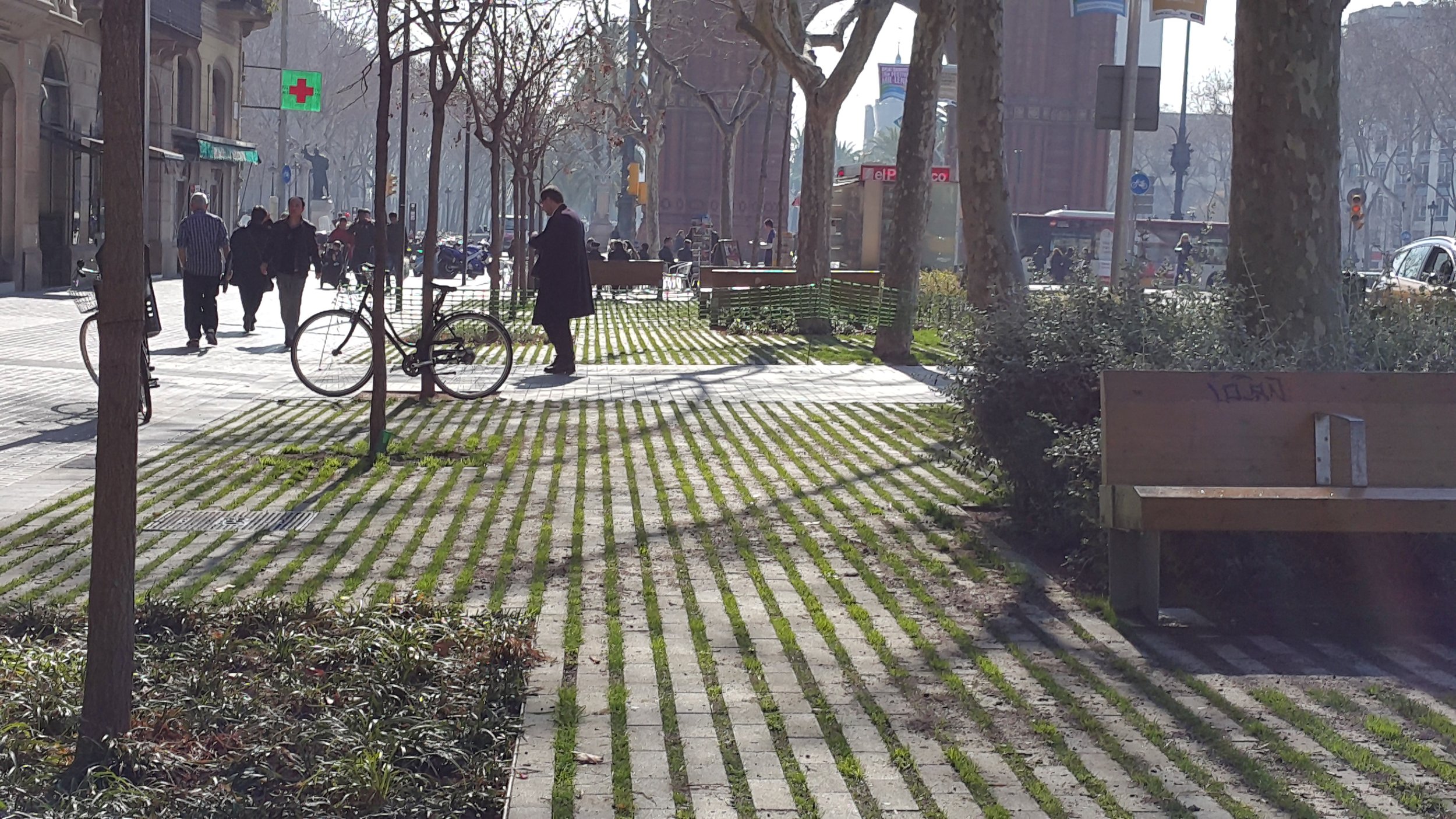
其中一個成功例子是 Passeig de Sant Joan。這是市中心的一條主要大道,成功營造了城市生態走廊,讓人類和各種生物如雀鳥、蝴蝶、蜜蜂等從山林至海邊自由走動。自然化計劃主要是重整以行人優先的道路網絡,串連不同的綠化空間,並伸延至城市公園 (Cuitadella Park)。工程包括擴闊行人路,栽種大樹和多層次、多樣化原生植物,部分行人路劃為休閒空間,路面鋪上疏水草磚或草地,添置坐椅、枱、兒童遊樂設施、老人活動器材、飲水器等。 猶記得拜訪此地時,沿途不乏老街坊在林蔭下閒談、看報紙打發時間、幼稚園進行課外教學、婦人把麵包壓碎餵飼雀鳥、年輕情侶邊談心邊玩面書,更有不少人悠閒地在露天茶座享受歐陸早餐,非常寫意。這裡未見名店或名建築師高迪(Guadi)的「築」跡,只見既是寬闊的林蔭大道又是公園的空間,讓當地人享受人生,更讓生態得以永續。
世界各地曾有不少推動城市生物多樣性的例子,如英國建築師學會於2013年出版的《生物多樣性設計 - 新建和原有建築技術指引》中,特別關注一些「依賴建築物生存的物種」("building-reliant species"),即指已習慣人類生活環境的雀鳥、蝙蝠、無脊椎動物,建築物外牆及屋頂成為牠們的安樂窩或季候鳥飛過的短暫悽息之所。此外,加拿大多倫多的《生物多樣性綠化屋頂指引》提供一些為生物而設的建築設計及參考實例,如一些草本類植物能提供季候鳥的糧食,木枝或小木箱供牠們休息。
1992年,聯合國倡議《生物多樣公約》,至今已有194國家和地區簽署。中國於1993年成為公约成員,而香港於2011年5月被納為該公约的適用範圍。為進一步創造與自然和睦相處的未來,各國政府於2010年10月在日本同意下將《2011-2020年生物多樣性戰略計劃和愛知目標》定為制止及最终扭轉地球生物多樣性喪失的基礎。其中三大目標包括保護生物多樣性、可持續利用生物多樣性、公平和公正地分享由利用遺傳資源所產生的得益。隨後,聯合國宣布2011-2020年為「聯合國生物多樣性十年」。
因此,我們的觀念也要隨時代而變 — 從綠化至自然化。當大家仍埋首計算甚麼形式的綠化可納為綠覆蓋率時,我們更應望遠一點,關注如何選擇合適的多樣品種,連繫鄰近綠基建,實踐親生物設計。宏觀來看,如果考慮城鄉發展、建築設計時能從多角度出發,明白綠建宜居的社區為的並不只是人類,而是整個自然生態、生物持續共生,那麼人類與其他生物、自然生態便可持續共存及進化。
設計並非只從人出發!
此文章刊載2015年3月《信報 - 建築思話》
http://www1.hkej.com/dailynews/commentary/article/1026822/%E9%9D%9E%E4%BA%BA%E8%A8%AD%E8%A8%88


《Greenest, Densest, Highest》
It's really amazing and rewarding experience to exhibit two artworks "Sky Gardens for Co-living" and “Light and Air for Biotope” in the 15th Venice Biennale International Architecture Exhibition. May I invite you to visit the "VB2016 Hong Kong Response Exhibition" at Oi! Street on 4 May - 30 May 2017?
There is no Green Architecture, only Architecture for Green Living. How can the greenest be bargained in the highest and densest urban living city for every single building?
Reporting from the front:
"Over 2/3 HK population are living in highrises. Thousands people share a single building footprint and a piece of skyview. Meanwhile, most of architects are dealing with highrise development projects every day. As an architect in HK, how can we bargain liveability and sustainability apart from efficiency and profitability of saleable areas?

The title of my work is PNA'P, which stands for Practice Notes for Architects' Pre-emption. This PNA'P echoes with the over 500 practice notes issued by the government as guidelines somehow mandates for the frontline architects to follow.

My two artworks symbolize two PNA'Ps but from the perspective of liveability and sustainability
The PNA'P ADV 076 Sky Gardens for Co-Living. It is not uncommon to have over a thousand people living in a single highrise building. The population is comparable to a small town. So, we need quality communal green spaces at various high levels for urban dwellers. Especially for children and elderly people, they need communal green spaces at doorsteps for play, chat with neighbors and interactions with nature.
The PNA' P ADV 099 Light and Air for Biotope. The current practice mandates skyview for light and air, and projections for flowerboxes. This artwork symbolizes a window or window frame to promote human nature interactions and even for birds to stay.
For reporting from the front, I edited 4 video clips capturing what the 'greenest', 'densest', 'highest' and 'nature' interpreted by HK citizens.”


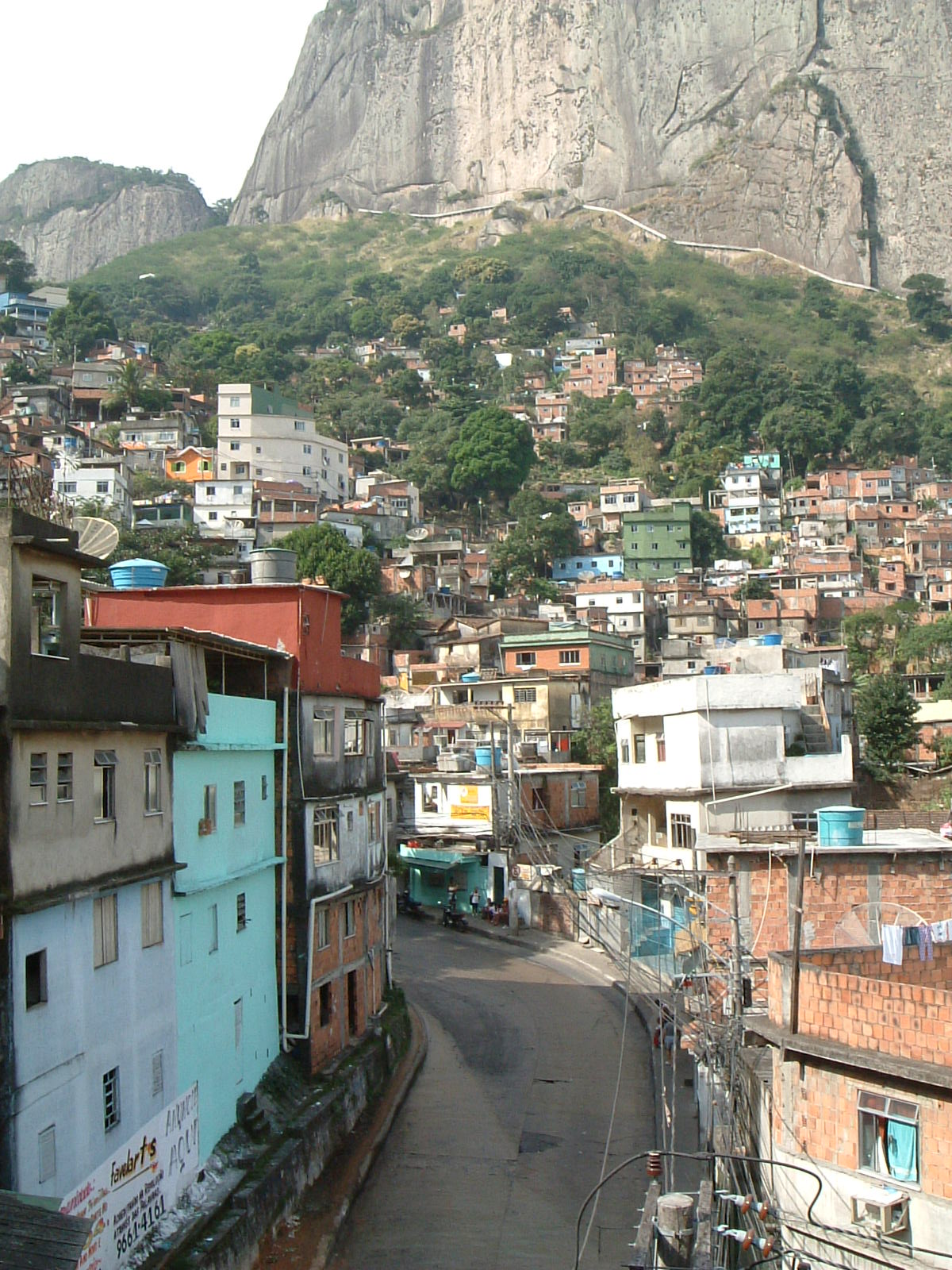
《里約迷城》
電視直播奧運男子單車公路賽,勾起早年到巴西遊學的片段。遊巴西里約熱內爐,沒有走進貧民窟,算不上看到這城市面貌之三分一。
里約城市佈局以旅遊發展為依歸,沿海全是酒店、商業發展,但沿山滿佈貧民自己搭建的社區及居所,這亦是世界最大的貧民窟之一,接近里約四分一人口,即超過140萬人。五星級酒店及千萬豪宅與貧民窟只是一條馬路之隔。
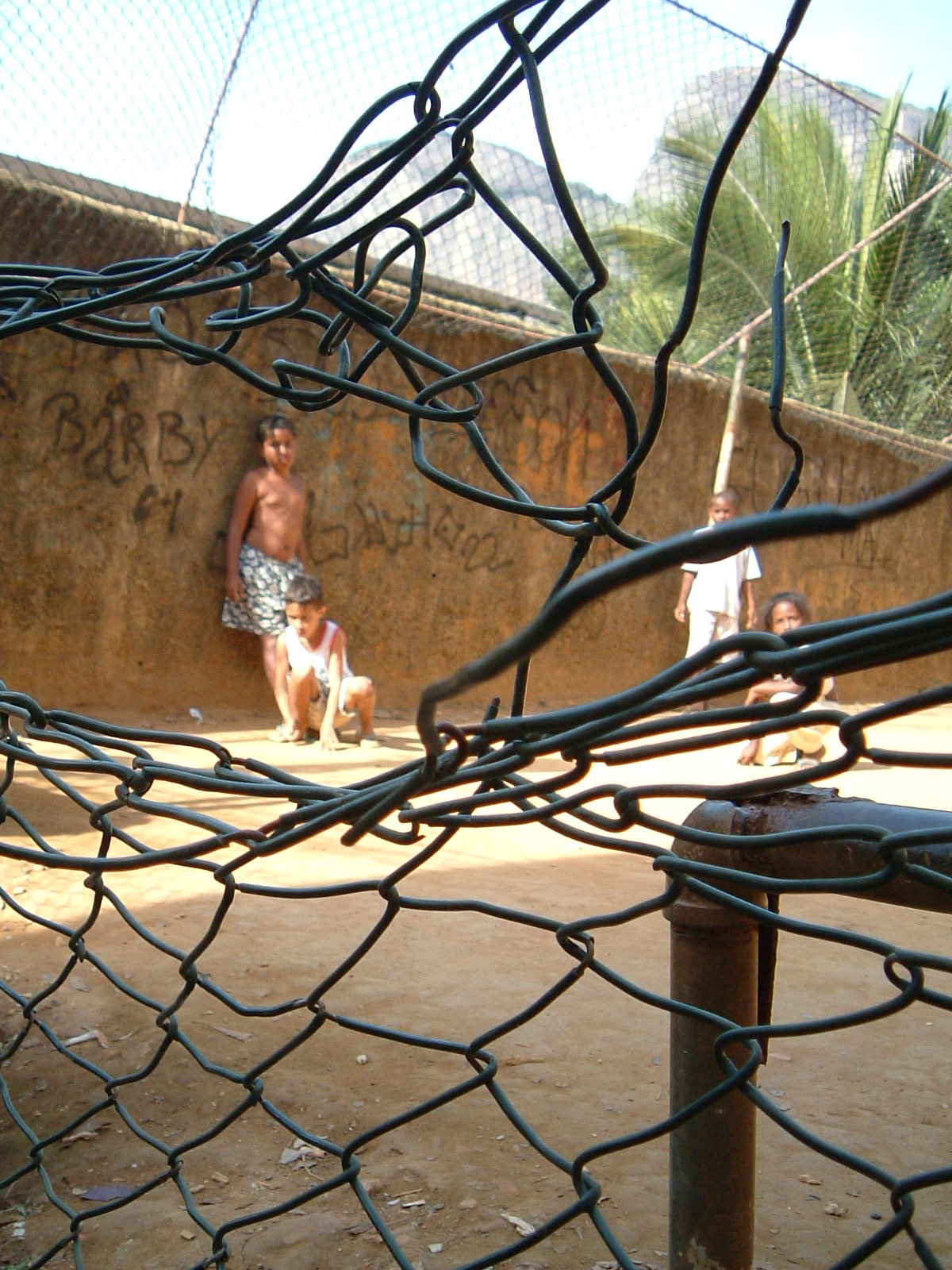
依山而建、層層叠叠、左迫右擠,貧民窟覆蓋之大令我呆木若驚。沒有既定街道闊度,沒有明顯街號樓名,根本沒有規劃、沒有法規,只有生存。街頭巷尾人跡罕見,可能當地人忙於為口奔馳,只見孩子們在屋與山邊之半片空地鬥波,用水喉通拼砌成龍門架,用紙、布碎集結成足球。居住環境之擠迫及簡陋情況有如昔日九龍城寨。住在貧民窟,有電才有生活。大街小巷的天空掛滿電線,於頭頂上左穿右插,偷電、搶電情況極為嚴重。亦不乏看見一些樓房已塌下半層或被山泥沖毀,但樓上依然照常生活。
貧民窟,這不是社會問題,而是社會現象。
問題需要解決,但現象只可以理解及改善。現代主意建築大師 Le Corbusier 曾為里約實踐城市設計理論,以 linear housing blocks 規劃當地都市發展,政府亦曾增加公營房屋供應,試圖解決貧民窟問題。但貧民數目之多,任何解決方案只是牛毛一皮,杯水車薪。貧民窟是一個龐大而複雜的社區,不可能只看待為房屋問題; 取而代之,九十年代初政府接受貧民窟是難以取替,開始投放資源優化其生活環境,如於社區內興建醫院、學校及基礎設施,直接改善貧民基本生活需要。
旅程包括參觀里約市內一個大型市公園。由於經濟及政治因素,用了逾十年時間才建成。建造公園的建築工人起初於工地旁邊搭建樓房作臨時居所,經過多年時間,樓房數目倍增同時把整個公園包圍,公園落成後更演變成另一個貧民窟。這市公園最終成為了貧民窟的後花園,貧窮小朋友之樂園,甚至學校課堂的户外活動教室。儘管有更完善的規劃藍圖,也不及社區活生生的有機性,真正的因地制宜。
目前每年約有4萬遊客到訪里約貧民窟。筆者建議大家參加當地導賞團。導遊會先帶遊客到社區會堂暨遊客中心,建議在旁邊店舖買點手信。當地居民知道遊客來消費,做生意的一群會盡量確保外來人的安全。筆者買了個用膠袋織製成的帽,色彩繽紛、手工精細又環保。路上遇見一位年輕音樂創作人街頭賣藝,買了一隻他自家製CD,把巴西爵士音樂帶回家中細味。
最後這場奧運單車公路賽,結果比利時選手衝金成功。
兩度@建築平台
此文章刊載2016年8月《HK01 -建築平台》